



Summer-Friendly Foods for Incontinence Care
This guide will help you navigate summer-friendly foods and recipes designed to manage incontinence, allowing you to enjoy seasonal delights without added worries.
Summer is a time for fresh flavors, vibrant colors, and enjoying meals with loved ones. For those managing incontinence, finding delicious and nutritious recipes that support bladder health can be challenging. This guide will help you navigate summer-friendly foods and recipes designed to manage incontinence, allowing you to enjoy seasonal delights without added worries.

Understanding Incontinence and Its Impact on Diet
Incontinence is a common condition, especially among the elderly. Dietary choices play a significant role in managing incontinence, as certain foods and drinks can either help or hinder bladder control.
Role of Fiber and Nutrients
Fiber helps regulate bowel movements, essential for those with incontinence. A diet rich in fiber can prevent constipation, which can exacerbate bladder problems. Additionally, vitamins and minerals such as magnesium and potassium are beneficial for bladder health. Including foods rich in these nutrients can help manage incontinence effectively.
Summer-Friendly Foods for Incontinence Care
Summer offers an abundance of fresh produce that is both delicious and supportive of bladder health. Here are some of the best seasonal foods to include in your diet:
Seasonal Fruits
- Watermelon: Hydrating and packed with antioxidants without being too acidic or irritating.
- Blueberries and Strawberries: Excellent choices for their antioxidant properties and bladder-friendly nature.
Vegetables and Greens
- Leafy Greens: Spinach and kale are high in fiber and water content, making them ideal for incontinence care.
- Vegetables: Cucumbers and bell peppers are great summer options that support hydration and bladder health.
Hydration Tips
Staying hydrated is crucial, particularly in summer. However, it is important to hydrate without overloading the bladder. Water is the best choice, but herbal teas and diluted fruit juices can also be beneficial. Foods with high water content, like melons and cucumbers, are excellent for hydration. Herbal teas are also great alternatives.

Delicious and Nutritious Summer Recipes
Here are some incontinence-friendly recipes perfect for summer:
Breakfast - Berry Smoothie
A refreshing smoothie made with blueberries, strawberries, Greek yogurt, and a splash of almond milk. This drink is high in antioxidants and fiber, and it is easy on the bladder.

Lunch - Quinoa Salad
Quinoa salad with cucumbers, cherry tomatoes, spinach, and a light olive oil dressing. This meal is rich in fiber and essential nutrients, making it a perfect lunch option.

Dinner - Grilled Chicken and Veggies

Grilled chicken served with a side of steamed broccoli and bell peppers. This dish is high in protein and low in bladder irritants, ensuring a satisfying yet healthy dinner.
Weekly Meal Plan
Create a weekly meal plan that incorporates a variety of incontinence-friendly foods. Ensure each meal includes a good balance of fiber, protein, and hydration to maintain overall health and manage incontinence effectively.
Enjoy the flavors of summer with confidence! Pair your healthy diet with iD’s range of reliable incontinence care products designed for comfort and protection.
Shop now and take the first step towards a worry-free summer.

Engaging sensory summer activities for children with disabilities
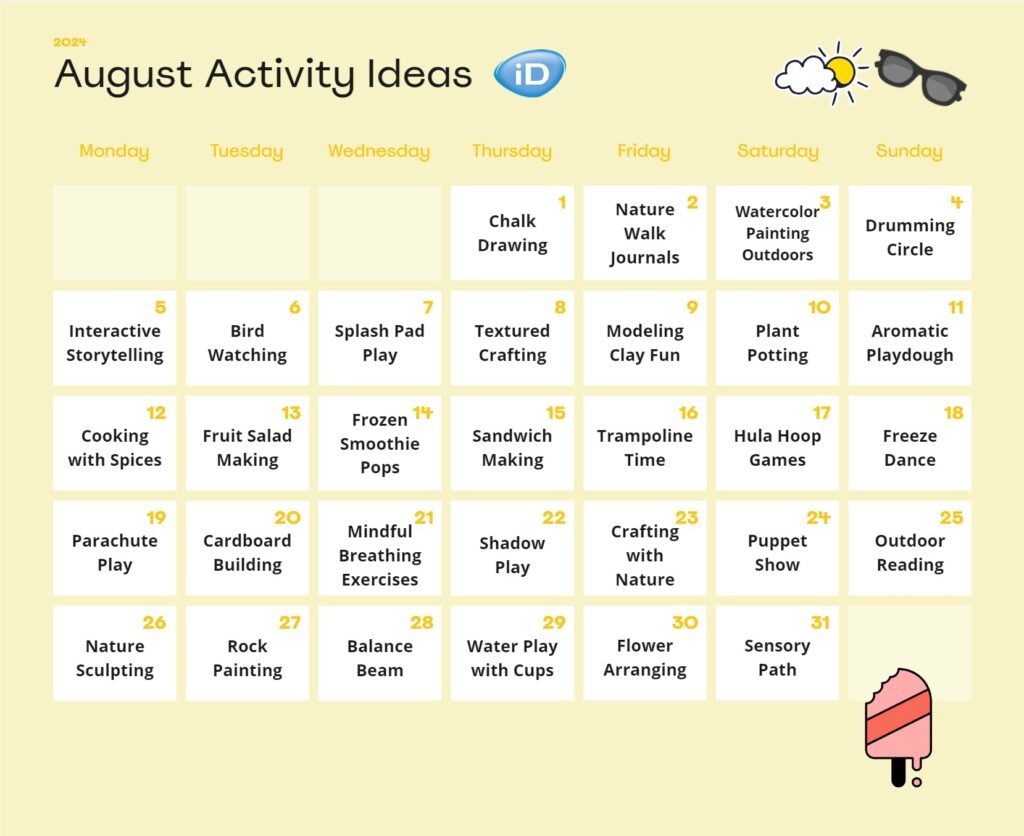
Discover engaging sensory summer activities for children with disabilities. Save our Monthly ID Activities Planner to find fun, safe, and stimulating activities tailored to individual sensory needs, ensuring a fulfilling and enjoyable summer holiday for both children and parents.
Summer holidays are a time when children look forward to endless fun and adventure. However, for parents of children with disabilities, there can be an additional challenge of keeping their children engaged, entertained, and safe. Finding sensory activities that cater to an individual child’s needs can make all the difference in ensuring a fulfilling summer for both children and parents. This blog post will guide you through a variety of sensory activities designed to keep your child stimulated and happy throughout the summer break.

Benefits of Sensory Activities
Engaging in sensory activities offers several benefits:
- Enhanced communication skills
- Improved focus and attention
- Reduced anxiety levels
- Therapeutic effects, helping children to process and manage their emotions better
Types of Sensory Activities
Diverse types of sensory activities may be more suitable depending on your child's specific needs. For instance:
- Tactile activities like playing with sensory bins are excellent for children who are visually impaired but have heightened touch sensitivity.
- Auditory activities like listening to different music genres can be beneficial for children with hearing impairments.
Planning for Summer Sensory Fun
Creating a personalized sensory activity plan for the summer can make the holidays enjoyable for your child and stress-free for you. Start by identifying your child’s sensory preferences and any activities that they particularly enjoy.
Personalized Activity Plan
A personalized plan allows you to tailor activities based on your child’s interests and needs. You can mix and match diverse types of sensory play to keep things exciting. For example, combine tactile activities with auditory ones for a more holistic sensory experience.
Home-based Fun
Budget-Friendly Options
- You do not need to break the bank to keep your child entertained. Simple household items can be turned into engaging sensory activities. Think about using rice, beans, or pasta for sensory bins, or even making homemade playdough.
Accessibility at Home
- Ensure that the activities are easily accessible for your child. Set up play areas where they can reach and interact with sensory materials without difficulty. This will encourage independence and boost their confidence.
Technology and Interactive and Assistive Tools
In today’s digital age, technology offers numerous resources that can enhance learning and provide endless entertainment for children with disabilities.
Check out Ginger Tiger: An extensive online platform for special needs learners, offering interactive activities that are accessible and flexible, designed to cater to a wide range of disabilities.

Inclusive Outdoor Adventures
Outdoor activities are not only fun but also provide a rich sensory experience. Nature offers a range of sensory stimuli that can be beneficial for children with disabilities.
Embracing Nature
- Activities like nature walks, gardening, or a simple visit to the park can be extremely rewarding. Look for inclusive playgrounds that have been designed with disabled children in mind, offering features like wheelchair-accessible swings and sensory play panels.
- If incontinence care is a concern, iD products can offer peace of mind. These products are designed to provide comfort and protection, allowing your child to enjoy outdoor activities without worry. Check out the range of iD products here for more information.
Community-Based Activities
- Look for community events that are inclusive. Many local libraries offer sensory-friendly story times, and community centers may have adaptive sports programs. Participating in these activities can provide both social and developmental benefits for your child.

Parental Supervision
Parental supervision is crucial in monitoring how children interact with sensory materials. Of course, parental supervision is always needed when children are interacting with sensory materials. A parents engagement and guidance ensures a positive and fun experience for both!
Engaging sensory activities can transform summer holidays into a time of fun and development for children. By planning personalized and accessible activities, leveraging community resources, and integrating technology where appropriate, both you and your children can have a fun and relaxed summer! Share your own tips and experiences in the comments section, and make sure to visit our blog for more valuable resources.
Save our Monthly ID Activities Planner

4 Exercises for Urinary Incontinence Relief
Discover effective exercises to help alleviate urinary incontinence and improve bladder control.
Understanding Urinary Incontinence
Urinary incontinence is a common condition that affects many individuals. Understanding the causes and symptoms of urinary incontinence is the first step towards managing and finding relief from this condition.
One of the main causes of urinary incontinence is weak pelvic floor muscles. These muscles play a crucial role in supporting the bladder and controlling urine flow. When these muscles are weak, it can lead to urine leakage during activities such as coughing, sneezing, or laughing. Hormonal changes, such as those that occur during pregnancy and menopause, can also contribute to urinary incontinence. Additionally, nerve damage caused by conditions like diabetes or multiple sclerosis can affect the bladder's ability to function properly.
The symptoms of urinary incontinence can vary depending on the individual and the underlying cause. Some common symptoms include frequent urination, sudden urges to urinate, urine leakage during physical activities, and waking up multiple times during the night to urinate. It's important to consult with a healthcare professional for an accurate diagnosis and to determine the best course of treatment for your specific situation.
Benefits of Exercise for Urinary Incontinence
Exercise is an effective and natural way to manage and reduce the symptoms of urinary incontinence. Regular exercise can help strengthen the pelvic floor muscles, improve bladder control, and reduce the frequency and severity of urine leakage. Additionally, exercise can also help maintain a healthy weight, which can further alleviate the pressure on the bladder and reduce the risk of urinary incontinence.
Incorporating exercises that target the pelvic floor muscles, such as Kegel exercises, can significantly improve bladder control and reduce urine leakage. These exercises involve contracting and relaxing the muscles that control urine flow, helping to strengthen them over time. It's important to consult with a physical therapist or healthcare professional before starting any exercise program to ensure you are performing the exercises correctly and to determine the most suitable exercise routine for your needs.
4 Effective Exercises for Urinary Incontinence Relief
1. Kegel exercises:
These exercises involve contracting and relaxing the pelvic floor muscles. Start by squeezing the muscles as if you are trying to stop the flow of urine, hold for a few seconds, and then release. Repeat this exercise multiple times a day. Please note that kegels can be done lying down, sitting, or standing. For a detailed demonstration, you can watch this YouTube video on Kegel exercises.
2. Bridge pose:
Lie on your back with your knees bent and feet flat on the floor. Slowly lift your hips off the ground, engaging your pelvic floor muscles. Hold for a few seconds and then lower your hips back down. Repeat this exercise for several repetitions. You might consider attending a yoga class to learn more about proper technique, or watching a video by a trained professional for guidance.

3. Squats:
Stand with your feet shoulder-width apart. Slowly lower your body into a squatting position, keeping your heels on the ground. Engage your pelvic floor muscles as you squat. Hold for a few seconds and then return to the starting position. Repeat this exercise for several repetitions.

4. Chair Knee Raises:
Sit in a chair, lift each knee to waist height ten times, holding for two seconds each. This strengthens the core and supports bladder health.
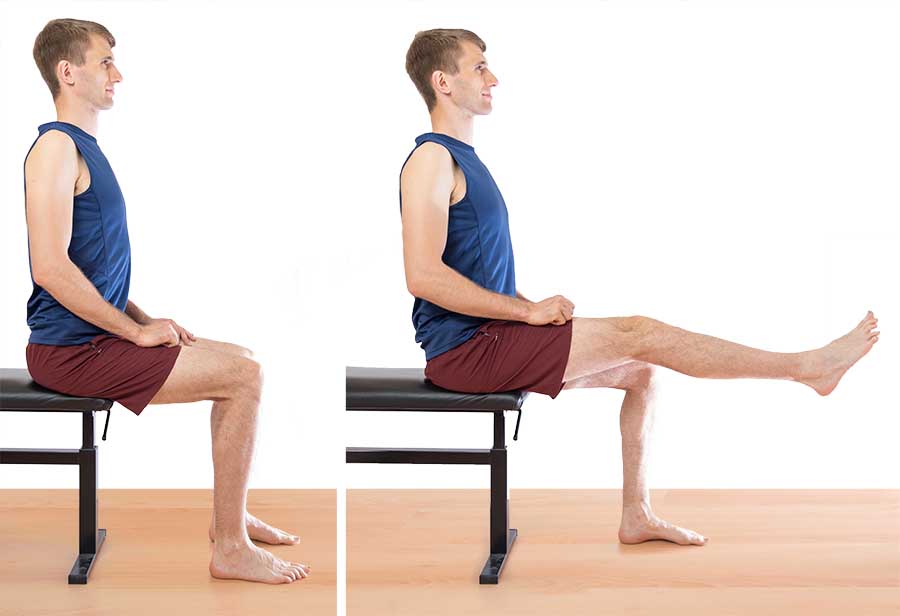
Remember to start slowly and gradually increase the intensity and duration of these exercises. It's important to listen to your body and not push yourself too hard. Consistency is key when it comes to seeing improvements in urinary incontinence symptoms.
Tips for Incorporating Exercises into Your Routine
Incorporating exercises into your daily routine can help ensure consistency and maximize the benefits for managing urinary incontinence. Here are some tips to help you get started:
- Schedule exercise sessions: Set aside specific times during the day dedicated to performing your exercises. This can help you establish a routine and make it easier to stick to your exercise plan.
- Start small: If you're new to exercise or have been inactive for a while, start with shorter exercise sessions and gradually increase the duration and intensity over time. This can help prevent injury and allow your body to adjust to the new routine.
- Mix it up: Keep your exercise routine interesting by incorporating a variety of exercises that target different muscle groups. This can help prevent boredom and keep you motivated to continue with your exercises.
- Seek guidance: If you're unsure about how to perform certain exercises or want personalized guidance, consider working with a physical therapist or healthcare professional. They can provide expert advice and ensure you're performing the exercises correctly.
- Stay consistent: Consistency is key when it comes to seeing improvements in urinary incontinence symptoms. Aim to exercise regularly, ideally several times a week, to maintain the strength and tone of your pelvic floor muscles.
Don't wait any longer to start living a more comfortable, confident life.
If you are concerned about incontinence, you may want to consider using continence products. Discover our range here.

Navigating Incontinence Challenges: Travel Edition
Embarking on a journey is an exciting adventure, and for those managing incontinence, it can present unique challenges. But fear not! With a bit of careful planning and a positive outlook, you can make the most of your travels without letting continence care become a roadblock. In this blog post, let's dive into some practical tips and strategies for navigating these challenges while on the road.
Plan Ahead:
Before setting off on your adventure, take some time for thorough planning. Look into restroom locations, their accessibility, and availability at your destination. Consider accommodations with private bathrooms and proximity to public facilities. Pack more supplies than you think you'll need, including absorbent continence care products, to cover the entire length of your trip. It also would be a good idea to pack the more absorbent version of your chosen incontinence product. This thoughtful preparation ensures that you're well-equipped to manage comfort and absorbency throughout the duration of the travel, contributing to a smoother and more relaxed travel experience. Check out our blog post on the “Understanding the different stages of incontinence and choosing the right products” for support on the different options available.
'Just Can't Wait Card'
The 'Just Can't Wait Card' is a free and widely recognized tool supported by many businesses. It grants you access to restrooms not usually available to the public. It is a simple, discreet way to let others know that you may urgently need access to a restroom. By ordering this card at Just Can’t Wait Cards from Bladder & Bowel UK - Bladder & Bowel UK (bbuk.org.uk), you're equipping yourself with a tool that can make a real difference in everyday situations.
Choose the Right Transportation:
Select modes of transportation that make restroom access convenient. Trains often have onboard facilities, while airlines can offer accessible restrooms. When flying, consider reserving an aisle seat and choosing a seat in the front or end of the plane for easier access to restrooms on the plane. If you're driving, plan your route with regular rest stops in mind.
Pack a Travel Kit:
- Spare Underwear:
Pack enough pairs to cover the duration of your trip, plus a few extras.
Carry a travel-sized pack of gentle, fragrance-free wipes for a quick and refreshing clean. Look for wipes that are suitable for sensitive skin to prevent irritation.
- Disposable Bags:
Include small, discreet disposable bags for the hygienic disposal of used incontinence products. This ensures a discreet and odour-free solution when proper disposal facilities are unavailable.
- Hand Sanitizer:
Maintain hand hygiene with a travel-sized hand sanitizer. Choose one with a high alcohol content for effective germ elimination, especially when restroom facilities may not have soap and water.
- Moisturizer or Barrier Cream:
Protect your skin by including a moisturizer or barrier cream. This helps prevent irritation and promotes skin health, especially during extended travel periods.
- Laundry Facilities Nearby:
Before your journey, take a moment to identify nearby laundromats or laundry facilities along your route. Knowing their locations can be especially handy for longer trips, ensuring you have access to laundry services if needed. For longer journeys, also pack a small amount of travel-sized laundry detergent. This allows you to wash and refresh your underwear as needed, ensuring a constant supply of clean options.
Stay Hydrated, but avoid Triggers:
Staying hydrated is essential, particularly while traveling. However, it's important to be mindful of triggers that may affect your incontinence. To minimize the frequency of bathroom visits, consider moderating your intake of caffeine and alcohol. Instead, choose water-rich foods to support hydration, and keep a reusable water bottle on hand. This way, you can stay properly hydrated without overindulging in beverages that might exacerbate incontinence. Read more about the vital link between proper hydration and urologic health, understanding its significance and benefits - Why is good hydration important for urologic health? (id-direct.com)
Utilize Technology:
Make technology work for you. Smartphone apps and websites can assist in finding nearby restrooms, planning routes with accessible facilities, and even offering real-time information on restroom availability. This tech-savvy approach is especially useful in unfamiliar areas. For example, “Restroom Finder” is a user-friendly app designed to assist you in finding clean and accessible restrooms. With this app, you can easily locate facilities based on user reviews and ratings, ensuring a more informed and comfortable restroom experience while on the go.
Stay positive and enjoy your trip! Traveling with incontinence demands thoughtful preparation, but it certainly shouldn't hold you back from exploring the world. By planning ahead, staying organized, and maintaining a positive attitude, you can navigate incontinence challenges and relish the enjoyment of travel without compromise. Remember, with the right mindset and strategies, the world is still yours to explore. Safe travels!

Your Simple Guide to Understanding Incontinence Stages and Choosing the Right Products that Suit You
Introduction
Managing incontinence can be challenging, but the good news that it's crucial to recognize that it's a common and manageable condition. It's a journey unique to each individual so this blog aims to explain the significance of understanding the diverse stages of incontinence and how selecting the appropriate products can empower you to regain control, confidence, and an active lifestyle. Let's break it down and explore the products that can help you or your loved ones manage this situation more comfortably.
Stage 1: Occasional incontinence or stress incontinence
If you're experiencing occasional leaks, particularly during activities like sneezing or coughing, consider using incontinence pads or liners with light absorbency. These discreet shields effortlessly fit into your regular underwear, effectively managing minor leaks without any hassle. When delving into the frequently asked question, "Can stress cause frequent urination?", in our blog, we explore the intricate connection between mental well-being and bladder health, providing valuable insights and improvement tips.
The products can be worn in your own underwear.
|
|
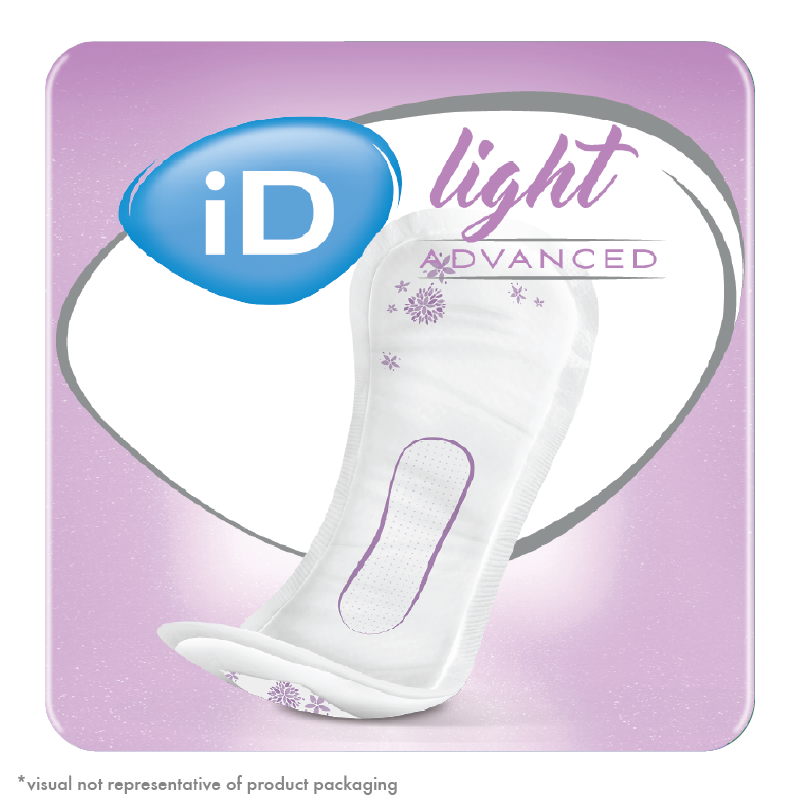
iD Light Advantages:
- Discreet and comfortable protection.
- Provides a sense of security during everyday activities.
- Helps avoid awkward moments that can arise from unexpected leaks.
Stage 2: Moderate or urge incontinence
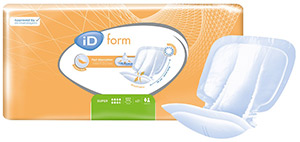
If you find yourself dealing with more frequent and sudden urges to use the bathroom, then it could be time for something with a bit more defence. Look for absorbent pads or pants with higher absorbency. They not only provide better protection but also control any unwanted odours, letting you go about your day confidently.
If you are still active and want maximum protection, then consider pants with higher absorbency. However, you don’t have to let your life be ruled by bladder weakness. You can read our blog about a step-by-step guide to some bladder control exercises that may help improve your symptoms: Easy Pelvic Floor Exercises: how to strengthen weak bladder muscles (id-direct.com)
|
|
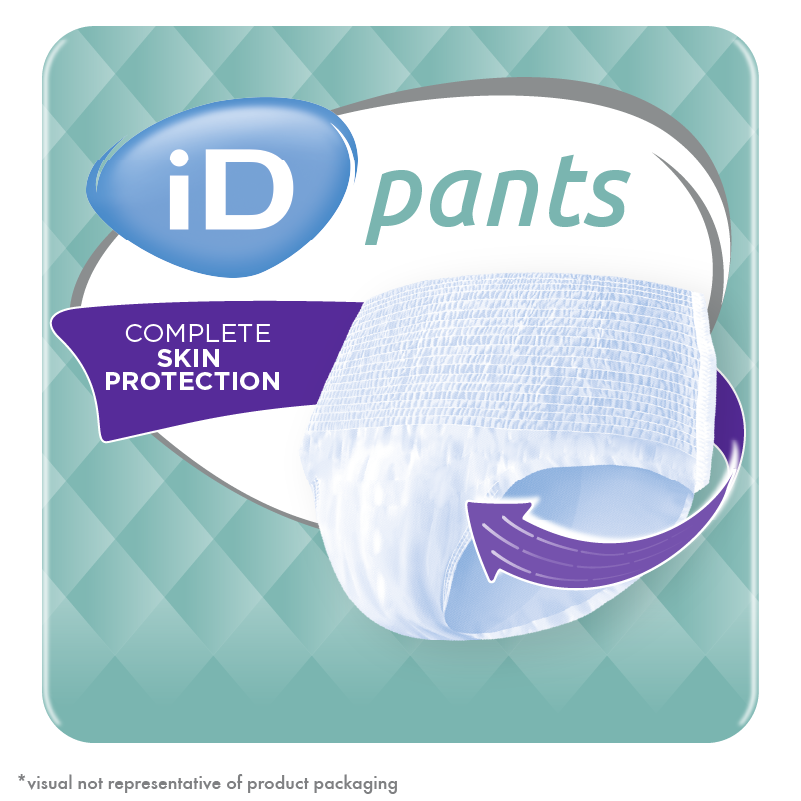
iD Pants Advantages:
- Improved absorbency and protection against moderate leakage.
- Improved odour control for increased confidence.
- Elasticated waist and leg openings for a secure and comfortable fit. (for iD Pants)
 |
Stage 3: Severe incontinence or overflow incontinence
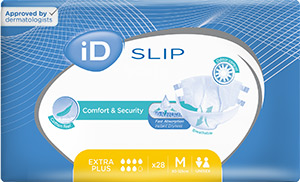
In this stage, where leaks become more constant with more urine, then it could be time for the next level of protection. Highly absorbent adult all-in-one style or briefs are your go-to. They offer maximum absorbency, adjustable tabs for a custom fit, and advanced anti-leak features to keep you feeling secure. The constant contact with urine or faeces can result in skin breakdown, inflammation, and infections. It's crucial to address these concerns promptly to maintain skin health and prevent complications. For further insights into incontinence and its impact on skin integrity, read the interview with Prof. Dimitri Beeckman titled "Incontinence and Skin Integrity (AID)."
For maximum protection, we recommend our Slips wall-in-one products.
 |
iD Slip Advantages:
- Maximum absorbency for strong leakage protection and long-lasting comfort.
- Provides excellent containment, reduces the risk of leakage.
- Adjustable tabs for a secure and custom fit.
Stage 4: Faecal incontinence
If you're dealing with faecal incontinence, where it's about solid waste, it's essential to note that stool is not absorbed by a product this is designed primarily for fluids. Thus, we recommend choosing products with lower absorption and to change them more often. If you're still very mobile, then iD pants could be a good option. For mobile, consider an all-in-one product like the iD Slip.
Advantages:
- odour control to maintain freshness and discretion.
- Soft and hypoallergenic materials for sensitive skin.
Result:
Incontinence doesn't have to be a barrier to living life to the fullest. Managing continence care can be different for each person, so finding the right product for you can make a significant difference. Whether it's a light pad, discreet pants, or all, the goal is to help you regain confidence and an enjoyable lifestyle. Just discreet pants
Remember, talking to healthcare professionals is key for personalized advice on managing incontinence effectively.