



Case Study - Transforming Continence Care with UHDB (University Hospitals of Derby and Burton
Overview
Following a review of continence product usage and expenditure, University Hospitals of Derby and Burton (UHDB) – Royal Derby Hospital identified unusually high usage of certain continence products. The aim was to establish a standardised product formulary across all five hospital sites, evaluate usage patterns, and understand variation in clinical practice.
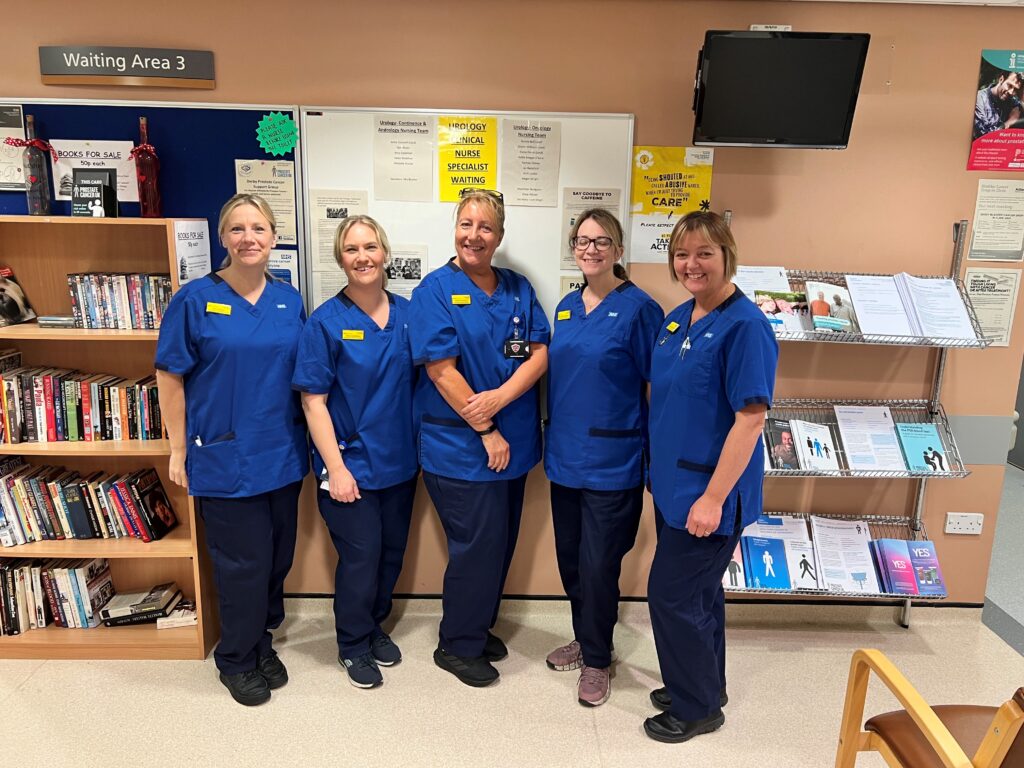
Led by Anita Counsell, Lead Urology Clinical Nurse Specialist (CNS), and supported by Sheryl Stone (Account Manager at Ontex) and Naomi Gill,(Nurse Advisor at Ontex), the project set out to improve staff awareness, ensure appropriate product use, and reduce variation across wards. This was the Trust’s first unified approach to continence product provision.
“The key to the success of this project was that we all worked together so well. We were on the same page, focused on improving training, education, and support to create a uniform formulary. Regular meetings made the process a smooth transition.” – Sheryl Stone, Ontex Nurse Advisor
Data Analysis and Product Evaluation
The Urology CNS and Procurement teams conducted a comprehensive review of continence pad usage across all sites, mapping product volume, type, and brand. This detailed analysis revealed inconsistent product use, disproportionate consumption, and instances of inappropriate selection.
All suppliers on the NHS framework were assessed. Following clinical and commercial evaluation—including a tabletop assessment of pad quality and cost-effectiveness—Ontex was awarded the contract Trust-wide, retaining their existing position at Royal Derby Hospital and expanding to all other sites.
The procurement team worked with the Urology team to ensure that the selected supplier could provide not only the right product but also the implementation support and training necessary to embed change across a large, multi-site organisation.
Implementing Change
The project’s success hinged on three factors: accurate data, clear communication, and effective training.
Sheryl and Naomi worked closely with the Urology and Procurement teams to plan a Trust-wide rollout. Sheryl developed a digital support pack, ensuring ward teams received educational tools to complement physical training sessions.
The introduction of a restricted formulary allowed UHDB to standardise products, reduce waste, and streamline procurement. For example, high-absorbency pads, which were often used unnecessarily as a time-saving measure, were removed from general ordering, improving both cost efficiency and clinical practice.
Ontex played a critical role in supporting the transition. Their ward-based education, tailored to each department’s needs, reinforced correct fitting, product selection, and patient assessment. Their physical presence during rollout helped ensure the changes were understood and accepted.
“Challenging established practices is never easy,” noted Anita. “Some wards had routines based on habit rather than assessment. We needed to back the changes with training and clear guidance on appropriate clinical exceptions.”
Initial resistance—particularly to less absorbent pads—was addressed through practical demonstrations and staff support. Ontex’s involvement in training helped build confidence and flag areas requiring further attention from the Urology CNS team.
Monthly implementation reviews were held in the first year, followed by quarterly check-ins. Compliance data from Procurement and regular updates from Ontex Nurse Advisors ensured sustained progress and prompt resolution of any issues.
Impact and Outcomes
One year post-implementation, UHDB reported:
- £40,000 cost saving through reduced waste and streamlined product use
- Improved patient continence care, with more appropriate pad selection and change routines
- Increased staff knowledge, supported by
regular training and digital resources - Alignment between acute and community teams, enabling smoother transitions of care

“While cost reduction wasn’t our primary goal, this project has clearly improved patient outcomes, staff practice, and financial efficiency. The collaboration between the Trust and Ontex has been a major success.”
If you would like to receive continence training from Ontex please contact us at [email protected]
For more information on Ontex products, please visit https://ontex.com

Case Study - Creating Care Pathways for Paediatric Continence in Remote Communities
Establishing a Children’s Continence Advisory Service in Orkney: A Collaborative Journey
Orkney School Health Team had observed a steady increase in the number of children experiencing continence issues across the region. Families were seeking advice, treatment, and access to suitable products — yet there was no dedicated pathway in place to support them. Historically, paediatric patients had been referred into the adult continence service, where products were often issued without the child being assessed in person. While this approach may have met some immediate needs, it did not account for the complexity of continence care in children — where developmental, behavioural, and medical factors often require tailored support.
The limitations of this system became increasingly evident to the School Health Team, who recognised the urgent need to develop a dedicated children’s continence advisory service. However, for the small team based at The Balfour Hospital — in one of the UK’s most remote island communities — this presented a significant challenge. They lacked a clear model to follow, had limited experience in paediatric continence care, and were operating within tight financial and logistical constraints.
Who was involved?
Thisbe Sinclair - School Nurse
Hannah Leslie - Trainee School Nurse
Alison Reid - Staff Nurse
Marie McGregor - Nurse Advisor Ontex
Sunni Liston - Nurse (ERIC)
Taking the First Steps
The initiative was spearheaded by three committed nurses: Thisbe Sinclair (School Nurse), Hannah Leslie (Trainee School Nurse), and Alison Reid (Staff Nurse). Driven by a shared determination to improve care for local children and families, they began exploring options for setting up a new service. However, with no clear starting point and limited local resources, they soon realised they would need external support.
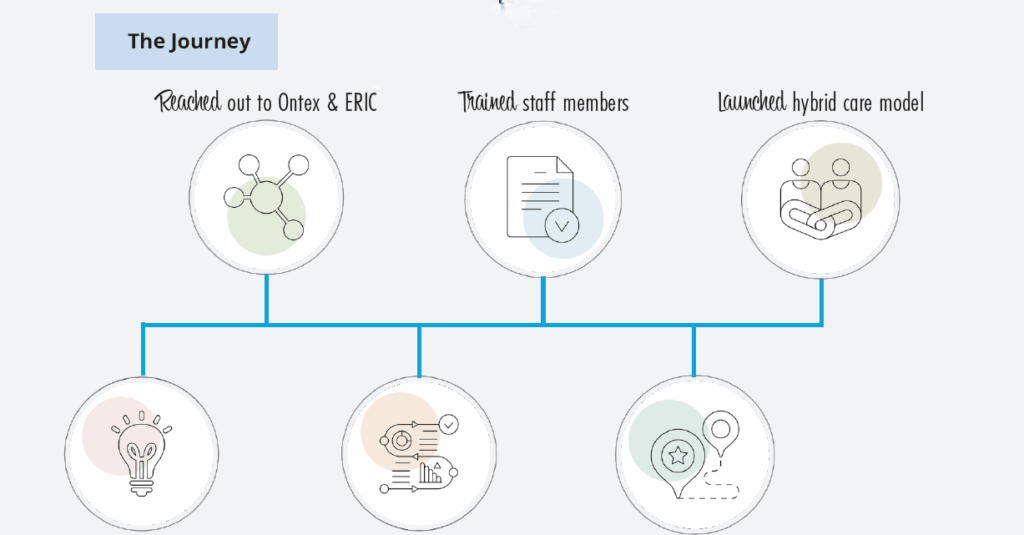
After conducting initial research, the team reached out to Ontex, a continence care supplier with experience in supporting healthcare services across the UK. Their first point of contact was Marie McGregor, Ontex Nurse Advisor, who quickly became an important partner in the project. Marie worked closely with the team to understand their needs, challenges, and goals, and began arranging regular support meetings to guide them through the process of building the service from the ground up.
Marie also connected the School Health Team with Sunni Liston, a specialist nurse affiliated with ERIC, the national children’s bowel and bladder charity. Sunni brought essential insight and clinical experience, helping the team understand best practices for setting up a paediatric continence service in a remote context. Together, Marie and Sunni helped the School Health Team select a product formulary appropriate for children, provided training on how to use and assess the products, and shared guidance on referral pathways, care planning, and ongoing review processes.
“It was all very challenging in the beginning — we didn’t know where to start. But with Sunni and Marie’s support, we managed to identify the best products for our children and created a formulary that works for all of us. It’s been great to see what we’ve achieved in such a short time.”
— Thisbe Sinclair, School Nurse
Navigating the Challenges of Remote Healthcare
Several of the barriers faced by the team were unique to Orkney’s geography and infrastructure. As a rural and remote community, Orkney does not benefit from the dense healthcare networks found on the mainland. Patients and families may need to travel significant distances — including by ferry or air — to attend appointments. This makes regular face-to-face assessments particularly difficult, especially for children and families already under strain.
The team adopted a pragmatic approach: the initial assessment would be conducted in person to ensure the child received appropriate, well-fitted products. Following this, reviews and adjustments could often be managed via telephone, with reassessments arranged as needed. This hybrid approach helped balance quality care with practical realities, ensuring that children received support without overburdening families or staff.
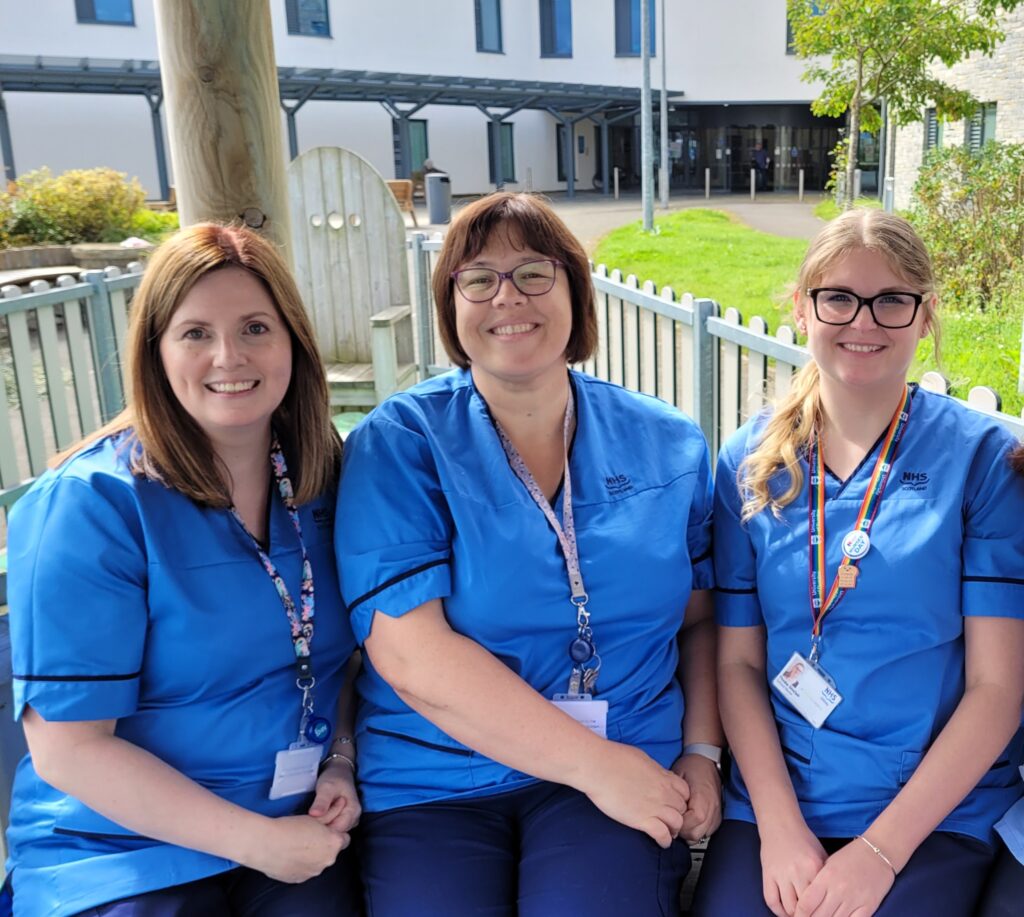
“We’ve learned so much about how to run a continence advisory service, and how we can best support children, young people and their families through this process. It’s been a steep learning curve, and one that we will continue gaining knowledge in!”
— Alison Reid, Staff Nurse, School Health
Building Confidence and Capacity
For the School Health Team, the experience of building a service from scratch has been both challenging and empowering. The partnership with Ontex and ERIC not only brought expert knowledge and training, but also gave the team the confidence to make clinical decisions, communicate effectively with families, and advocate for the needs of children in their care.
Impact on Families and the Wider Community
Though still in its early stages, the new children’s continence advisory service has already made a meaningful difference to local families. Children are now receiving assessments appropriate to their age and needs, with care plans tailored to support their independence, dignity, and long-term development.
The success of this project has also opened the door to wider conversations about children’s health in Orkney, and there are hopes that the service can be expanded further to include more education and early intervention support for schools and families.
“It’s been very helpful to know that Ontex have been there to support us on this journey. Setting up the continence service was something we’d been wanting to do for a long time — we just didn’t have the support or know-how to make it happen.”
— Hannah Leslie, Trainee School Nurse
Ongoing Support and Future Plans
Marie McGregor and the Ontex team continue to provide ongoing support to Orkney School Health Team, with regular check-ins and updates on product developments, best practices, and clinical guidelines. ERIC also remains a key partner, offering expert advice and access to a broader network of paediatric continence specialists.

The Orkney team now looks ahead to strengthening the service further, exploring ways to embed continence education into school nursing, community outreach, and partnership work with the Health Visiting team. They hope to share their experience with other rural teams, showing that — with the right support and determination — even small, remote services can deliver high-quality, child-centred care.
If you would like to receive continence training from Ontex please contact us at [email protected]
For more information on Ontex products, please visit https://ontex.com
New White Paper Exposes Hidden Crisis Facing Unpaid Caregivers in the UK
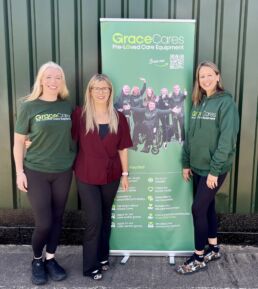
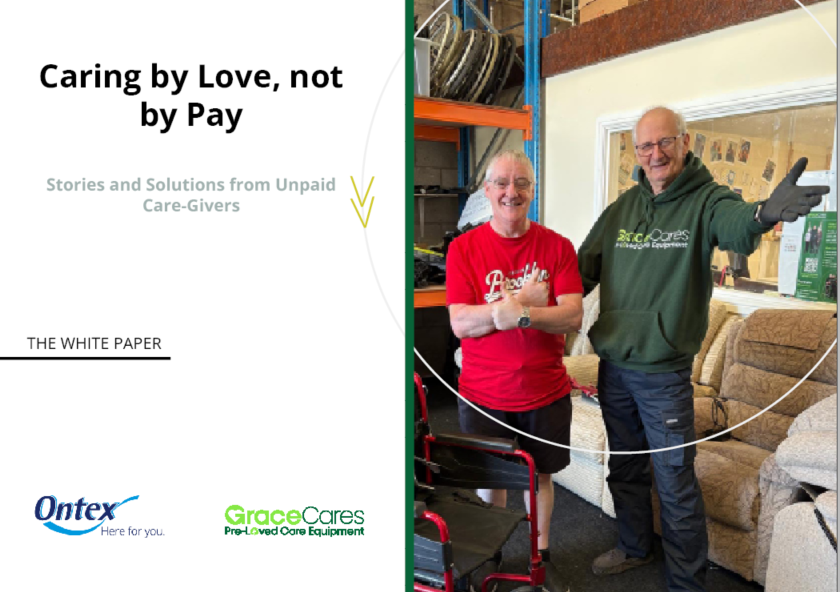
Grace Cares, in collaboration with Ontex Global, has released a powerful new white paper highlighting the urgent need to support the UK’s millions of Unpaid Caregivers. This group is too often overlooked in policy, services, and public understanding.
Titled “Caring by Love, not by Pay: Stories and Solutions from Unpaid Caregivers”, the report is based on a national survey and in-person consultations with over 75 Unpaid Caregivers. It brings their lived experiences into sharp focus, revealing a widespread lack of recognition, poor access to support, and serious impacts on emotional and mental wellbeing
According to Carers UK, there are around 5.7 million Unpaid Caregivers in the UK, providing care worth an estimated £132 billion per year – equivalent to a second NHS. Yet the white paper reveals:
- Many do not initially identify as an Unpaid Caregiver, meaning they miss vital help
- 54% of respondents feel the Unpaid Caregiver role is under-recognised
- 76% are unsure how to access support that already exists
- Over 50% reported emotional and psychological distress from their caregiving role
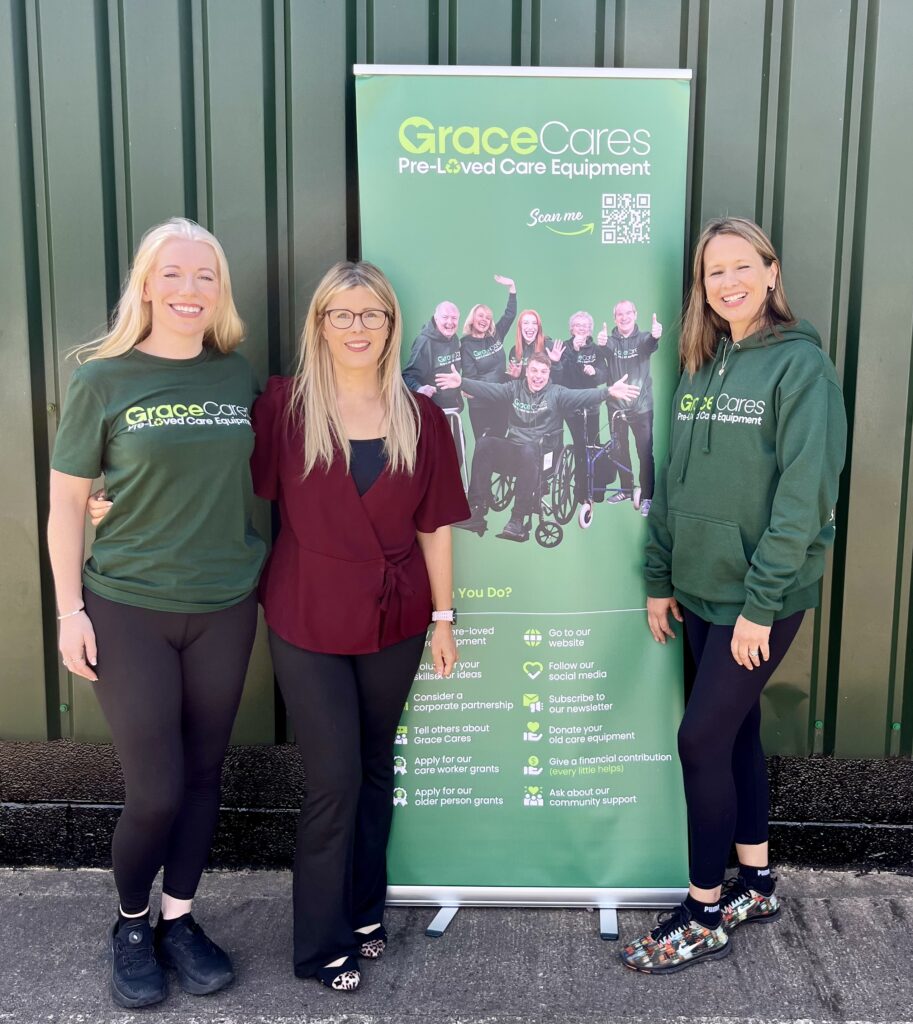
In response, Grace Cares and Ontex Global are co-developing a programme of local and national resources, drop-in sessions, and peer support initiatives, built directly from what Unpaid Caregivers said they need.
“At Ontex, we are proud to sponsor and support this vital work. Unpaid Caregivers deserve practical solutions, better recognition, and real-world support – not more barriers,” said Emily Vernon, UK Country Manager, Ontex Global.
Recommendations in the report include:
- Better national and local recognition of the Unpaid Caregiver role
- Improved signposting and awareness of existing services
- Access to emotional and psychological support, including counselling and peer networks
- Funding for respite care and training for complex caregiving tasks
- A unified terminology and clearer pathway to identify as an Unpaid Caregiver
What’s next?
Grace Cares is inviting local authorities, health and care leaders, and community partners to act on these findings. Together with Ontex, they aim to build a national movement that ensures every Unpaid Caregiver has access to the support they deserve

When the Person You Care for is Angry… and So Are You
The messy emotions we’re not supposed to talk about
No one warns you that caregiving can feel like a battlefield.
That the person you love can glare at you like a stranger.
That you can clench your jaw so hard it hurts.
This isn’t the caregiving in TV shows.
This is the real, gritty, emotionally loaded work of showing up - again and again - even when your tank is empty.
Let’s talk about what happens when both of you are angry. And what to do with it.

Why They're Angry (And It's Not Always About You)
Loss of independence. They hate needing help.
Chronic discomfort or pain. Frustration builds.
Cognitive decline or confusion. They feel scared, trapped, or misunderstood.
Unspoken grief. Losing parts of their former life, dignity, or control.
And you? You’re angry because:
You’re tired.
You don’t feel appreciated.
You’ve put your life on pause and no one seems to notice.
You’ve said “it’s fine” 500 times, but today it’s not.
What To Do When You're Both Boiling
Here’s your emotional emergency kit:
1. The "Change the Channel" Technique
When the energy spikes, your nervous system goes into fight-or-flight.
Interrupt it with something absurd, physical, or totally unexpected:
Start singing the first song that comes to mind. (Yes, even Twinkle Twinkle works.)
Say: “Hey, let’s both shout into a pillow and pretend we’re in a drama movie.”
Do a silly stretch or shake it off like a dog.
It might not solve anything—but it breaks the loop and resets the energy.
2. Use an “If/Then” Escape Plan
Pre-plan what to do when things get tense:
“If I feel myself getting overwhelmed, then I will go to the bathroom for 2 minutes to breathe.”
“If they start shouting, then I will speak one calm sentence and leave the room for 5.”
This helps avoid reacting from a triggered place.
3. Try “Opposite Action” (From DBT Therapy)
When anger rises, your body wants to fight. Do the opposite action:
Speak softly instead of loudly.
Sit down slowly instead of pacing.
Smile gently (yes, even if you don’t feel it).
Your nervous system starts to follow your body’s lead.
4. Scripts to Use Instead of Reacting
You don’t need perfect words. Just words that don’t fuel the fire.
When they’re angry:
“I can see you’re upset. I want to understand, but I can’t hear you when we’re yelling.”
“It’s okay to be angry. I’m angry too. Let’s not aim it at each other.”
“Can we take a break and talk about this in ten minutes?”
When you are angry:
“I’m reaching my limit right now. I need five minutes to calm down.”
“I’m here for you, but I can’t show up well if I don’t take a pause.”
“I love you. I’m struggling too.”
After the Storm: Repair, Reconnect, Reset
You don’t need a perfect resolution—just a return to connection.
1. Use a “Small Olive Branch”
A cup of tea.
A blanket.
Sitting in silence in the same room.
2. Try the “What Was That?” Journal Prompt
Ask yourself or write down:
What triggered me?
What did I actually need?
What can I do differently next time?
3. Have a Simple Repair Conversation
“I’m sorry it got so heavy earlier. I didn’t handle it the way I wanted to. Can we try again tomorrow?”
You’re not fixing everything. You’re showing up for Round Two—with softness.
Quick Grab-Bag of Emotional Tools
Breath reset: Inhale 4 counts, hold 2, exhale 6.
Hand on chest: Activate self-soothing through touch.
Name the feeling: “This is anger. It’s here. It will pass.”
Mantra: “I’m not failing. I’m in a hard moment. I can return to calm.”
Bonus: “Anger Agreements” You Can Make Together
When you’re both calm, consider setting some shared ground rules like:
No yelling in the kitchen (pick a neutral zone).
Safe word for overwhelm: “Pause.”
Post-blow-up ritual: each person gets 10 minutes of quiet.
It’s not about perfection. It’s about scaffolding your emotional safety.
The Truth About Messy Love
Caregiving is not saintly.
It’s raw. Tender. Frustrating. Sacred. Infuriating.
It turns you into someone you never thought you’d have to be.
And sometimes, it brings out the worst in both of you.
But here’s what matters: repair is always available.
Love can still live inside the mess.
And so can you.
You’re not alone. And you’re not doing it wrong.
You're just a human in an extraordinary situation, doing something impossibly hard, with a heart that’s still beating in love - even on the loudest, angriest days.
That’s not weakness. That’s strength.

The Secret Superpower of Not Knowing What You’re Doing
Why Amateur Caregivers Might Actually Do It Better
We live in a world obsessed with expertise. We’re taught to believe that only the trained, the certified, the experienced are qualified to take action - especially in something as sensitive and serious as caregiving.
But here’s a radical truth: sometimes, not knowing what you’re doing is your greatest strength.
Yes, you read that right.
In the realm of informal caregiving - when you're caring for a parent, partner, child, or friend without a medical degree or a handbook - your “amateur” status might actually make you more human, more adaptable, and in some ways, even more effective.
Let’s explore why.

1. You Lead With Heart, Not Protocol
Professionals are trained to follow procedures. And that’s incredibly important in hospitals and clinical environments. But caregiving at home isn’t always about vitals and routines - it’s about connection, emotion, and intuition.
When you don’t have a script, you listen more closely.
When you don’t have a manual, you pay more attention to what they need - not what the checklist says.
Being an amateur allows you to approach caregiving with heart first, and hands second.
2. You Learn Fast Because You Have To
One of the biggest myths about non-professional caregivers is that they’re somehow “less capable.” But most informal caregivers will tell you: they’ve become experts in trial, error, Googling at midnight, and learning on the fly.
You become a master of adaptation.
You adjust quickly.
You improvise without fear of failure - because failure isn’t an option when you’re caring for someone you love.
That’s not incompetence. That’s resilience in motion.
3. You’re Not Afraid to Ask Questions
Professionals are often expected to already know. But amateur caregivers? They’re curious. They’re not afraid to call the doctor twice. They dig through forums. They watch YouTube tutorials on how to adjust medical equipment. They call a friend at 11pm just to ask, “Did this ever happen to you?”
Their questions open up possibilities that others might miss.
Their humility becomes a gateway to deep understanding.
4. You Redefine What Care Means
Professional care often exists within the framework of “fixing” or “managing.” But informal caregivers bring something else: presence.
You're not just treating symptoms - you’re holding a hand during fear, laughing through pain, cooking a favorite meal not because it's part of a diet plan, but because it brings joy.
You’re not just a caregiver.
You’re a storyteller, a memory-keeper, a familiar voice in the fog.
And that’s a kind of care no degree can teach.
5. You Don’t Burn Out From Detachment - You Burn Bright From Love
Burnout is real. But what fuels many amateur caregivers isn’t obligation - it’s love. That love creates a stamina that professionalism can’t replicate.
You might cry in the shower, feel overwhelmed, and wish someone else could take over. But you also experience the kind of meaningful connection that can only happen when care is deeply personal.
It’s not easy. But it’s real.
So Let’s Break the Myth
Not knowing what you’re doing doesn’t mean you’re doing it wrong.
It means you’re doing it your way - guided by care, creativity, and compassion.
And maybe, just maybe, that’s the most powerful kind of caregiving there is.
To all the amateur caregivers out there: You’re not just “doing your best.” You’re doing something extraordinary.
And the world needs to talk about that more.